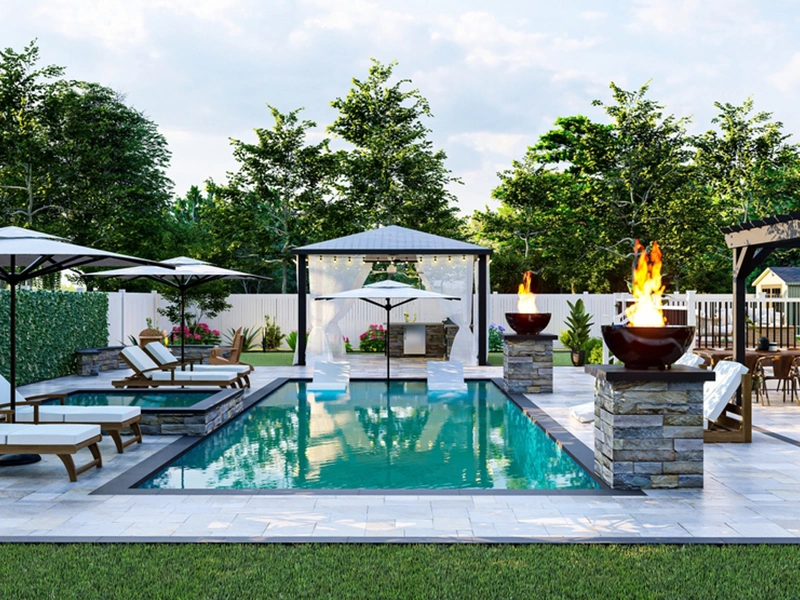



Outdoor Green Spaces
Creating and Designing Outdoor Green Spaces
Outdoor green spaces are essential for enhancing the quality of life, promoting wellness, and creating aesthetically pleasing environments. Whether in private gardens, public parks, or commercial areas, thoughtfully designed green spaces offer both functional and visual benefits.
The Importance of Green Spaces
Green spaces contribute to:
Environmental Benefits: Trees and plants help purify the air, reduce heat, and support biodiversity.
Health and Wellness: Access to green areas encourages physical activity, reduces stress, and improves mental well-being.
Aesthetic and Social Value: Well-designed outdoor spaces create inviting environments for social gatherings, relaxation, and community engagement.
Design Principles for Outdoor Green Spaces
Creating an effective green space requires careful planning and design. Key principles include:
Site Analysis: Understanding the land’s topography, soil type, sunlight, and drainage conditions.
Functionality: Designing areas for relaxation, recreation, or specific activities, while ensuring accessibility and safety.
Plant Selection: Choosing native or adaptive plants that suit the climate and soil, provide seasonal interest, and require minimal maintenance.
Sustainability: Incorporating water-efficient irrigation, rainwater harvesting, and eco-friendly materials.
Aesthetic Harmony: Balancing textures, colors, and forms to create a visually appealing landscape.
Construction and Implementation
After design, the construction phase ensures that the vision becomes reality:
Land Preparation: Grading, soil improvement, and installation of drainage systems.
Hardscape Elements: Pathways, patios, seating areas, and lighting enhance usability and structure.
Planting: Strategic placement of trees, shrubs, and flowers according to the design plan.
Maintenance Planning: Establishing long-term care strategies to ensure plants thrive and the space remains beautiful.